In a world saturated with digital media, where video calls have replaced boardrooms and social feeds are our primary source of news, a new and insidious cyber threat is emerging from the shadows: AI-powered deepfakes. What once seemed like a niche technology for digital artists has rapidly evolved into one of the most pressing security challenges of our time. Understanding this threat is no longer a futuristic exercise; it’s a present-day imperative.
What Exactly Are Deepfakes?
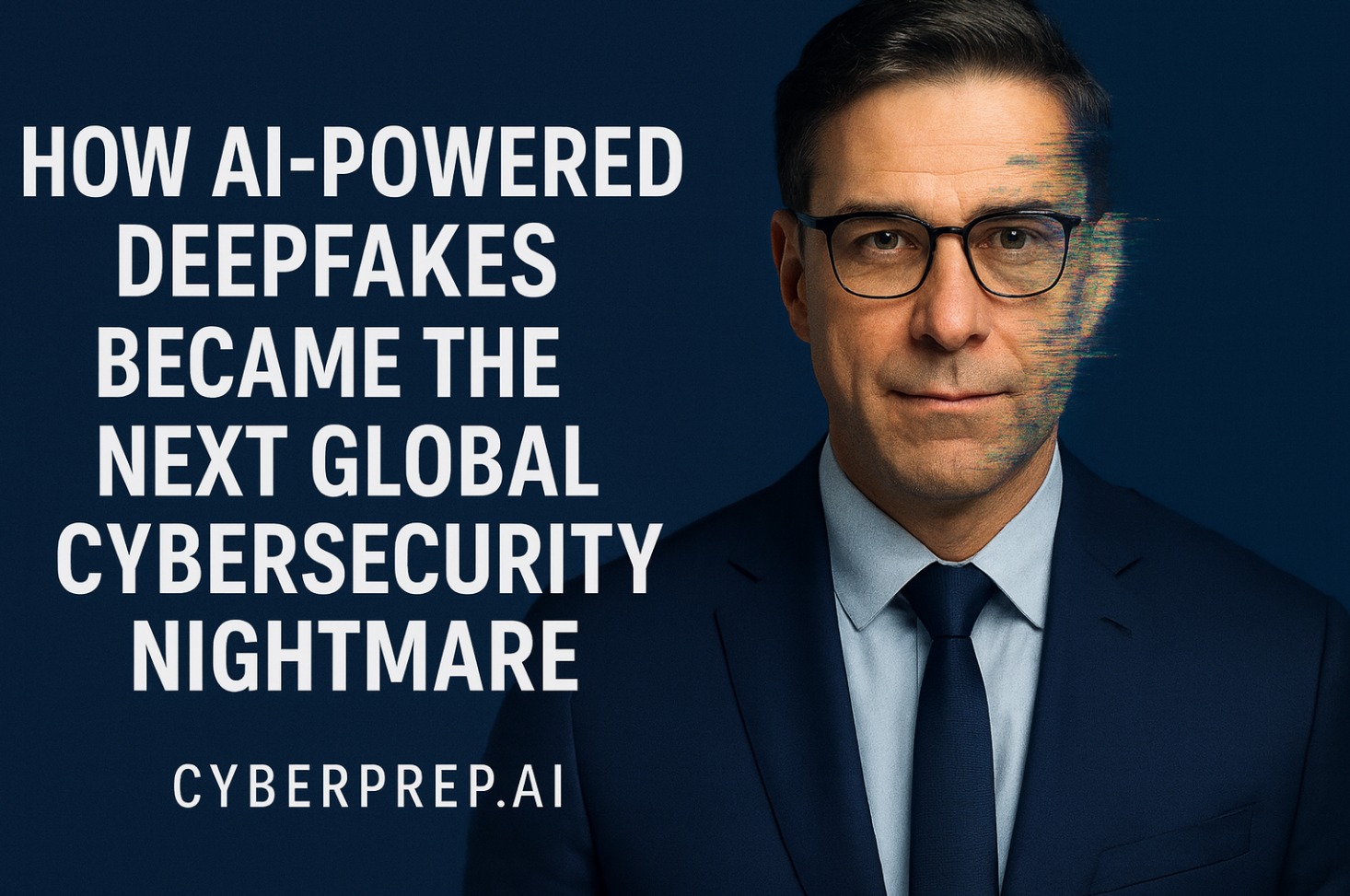
Deepfakes are synthetic media—videos, audio recordings, or images—manipulated using artificial intelligence, particularly deep learning models. These advanced algorithms can convincingly swap faces, clone voices with uncanny precision, and even fabricate events entirely from scratch. The result? Digital content that appears authentic but is, in reality, a dangerous and convincing lie.
Why Deepfakes Are a Tier-One Cybersecurity Threat
Traditional cybersecurity protects systems and data. Deepfakes strike at something even more fragile: human perception and trust, marking a new frontier in social engineering.
Weaponized Social Engineering: A video call from your “CEO” authorizing a wire transfer. A voice message from a “relative” in distress. Deepfakes make these scams terrifyingly real, bypassing the text-based filters we’ve relied on.
Corporate and Political Disinformation: A fake clip of a CEO announcing a recall could crash stocks before the truth is known. A fabricated political statement could sway elections. In the age of viral content, reputations can be destroyed in minutes.
Advanced Financial Fraud: Imagine a deepfake of a respected analyst predicting an imminent market collapse. The ripple effect could trigger panic selling, manipulating markets for malicious gain.
The Erosion of Shared Reality: The more realistic deepfakes become, the less we trust any media. When any image, video, or voice can be forged, truth itself becomes negotiable.
The Detection Arms Race
Detection technology is in a constant race against increasingly sophisticated generation tools. For every detection breakthrough, a new evasion technique appears. For most people, spotting a well-crafted deepfake is nearly impossible.
What Can Be Done? A Global Response
Zero Trust for Media: Shift to a “verify, then trust” mindset for sensitive communications. Use multi-factor verification beyond just calls or video chats.
Technological Solutions: Develop and adopt content watermarking and origin verification standards.
Widespread Education: Teach people what deepfakes are, how they work, and how to question what they see and hear.
Legal and Regulatory Frameworks: Define and penalize malicious deepfake creation and use without limiting legitimate expression.
The CyberPrep Mission
The rise of AI-powered deepfakes isn’t just another threat—it’s a test of whether we can protect truth itself in the digital age. At CyberPrep, we believe knowledge is your first line of defense. Our mission is to equip individuals, businesses, and communities with the skills, awareness, and tools to detect, respond to, and outsmart modern cyber threats.
By training with CyberPrep, you’re not just learning to defend against deepfakes—you’re building the mindset and resilience to stand firm in an age where reality can be rewritten with a few lines of code. The future belongs to the prepared. Let’s secure it together.